ONE PLATFORM. EVERY VALIDATION.

Autonomous Exposure Validation Platform

Discover exposures, validate exploitability, prioritize and deploy the fixes that matter.
 
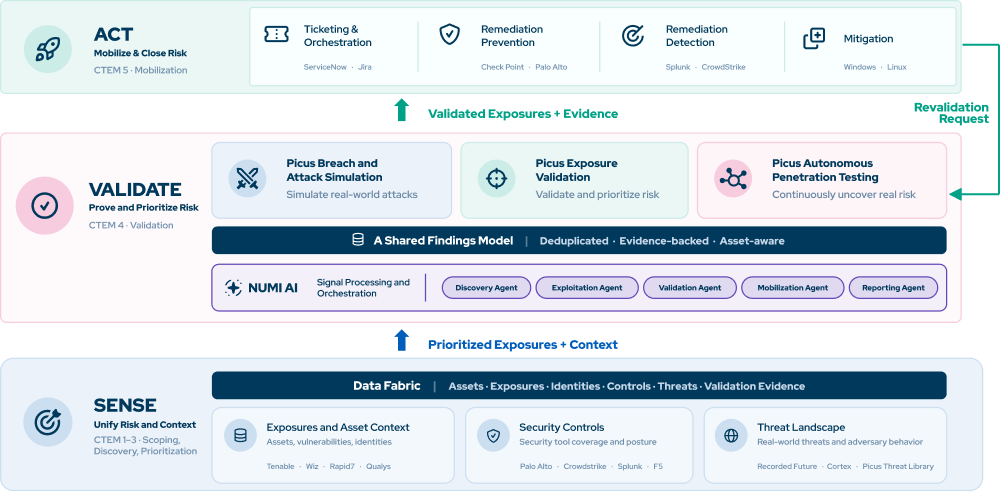
Picus platform overview

The solution: autonomous exposure validation

Three Products. One Platform. No Blind Spots Left.

Controls stop what patches never will. Agents run on signal, not schedule.

Every finding, from any source, gets a defensible decision and closes with evidence.
CAPABILITIES

Validate, Prioritize, and Mitigate Your Real Cyber Risk

The Picus Platform empowers security teams with AI-driven insights, real-world attack simulations, and evidence-based metrics to reduce exposure and validate real risk.

AI-Driven Security Validation

Leverage AI to transform how you detect, validate, and prioritize threats.

  • Generate attack scenarios from any threat intelligence report using AI-driven automation.
  • Continuously learn from validation data to refine detection logic and improve defense performance.
  • Focus analyst effort where AI-powered analysis proves the greatest impact.

Reduce Threat Exposure

Focus on exposures proven exploitable through real attack simulations.

  • Validate exploitability with the latest threat intelligence and automated attack simulations.
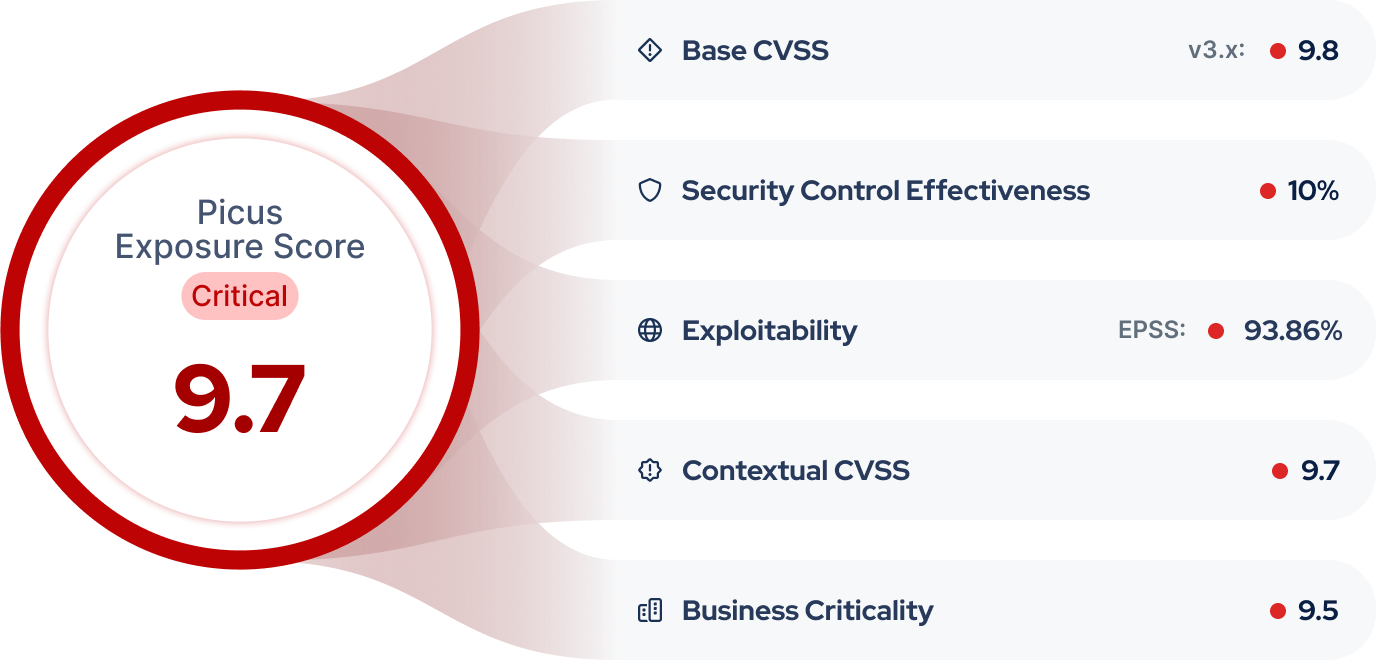
  • Prioritize risks using the Picus Exposure Score, factoring exploitability and control effectiveness.
  • Direct remediation teams to fix validated gaps first and measure real risk reduction.

Quantify Your Cyber Risk

Measure cyber risk with real validation data instead of assumptions.

  • Continuously validate control performance and map results to financial impact.
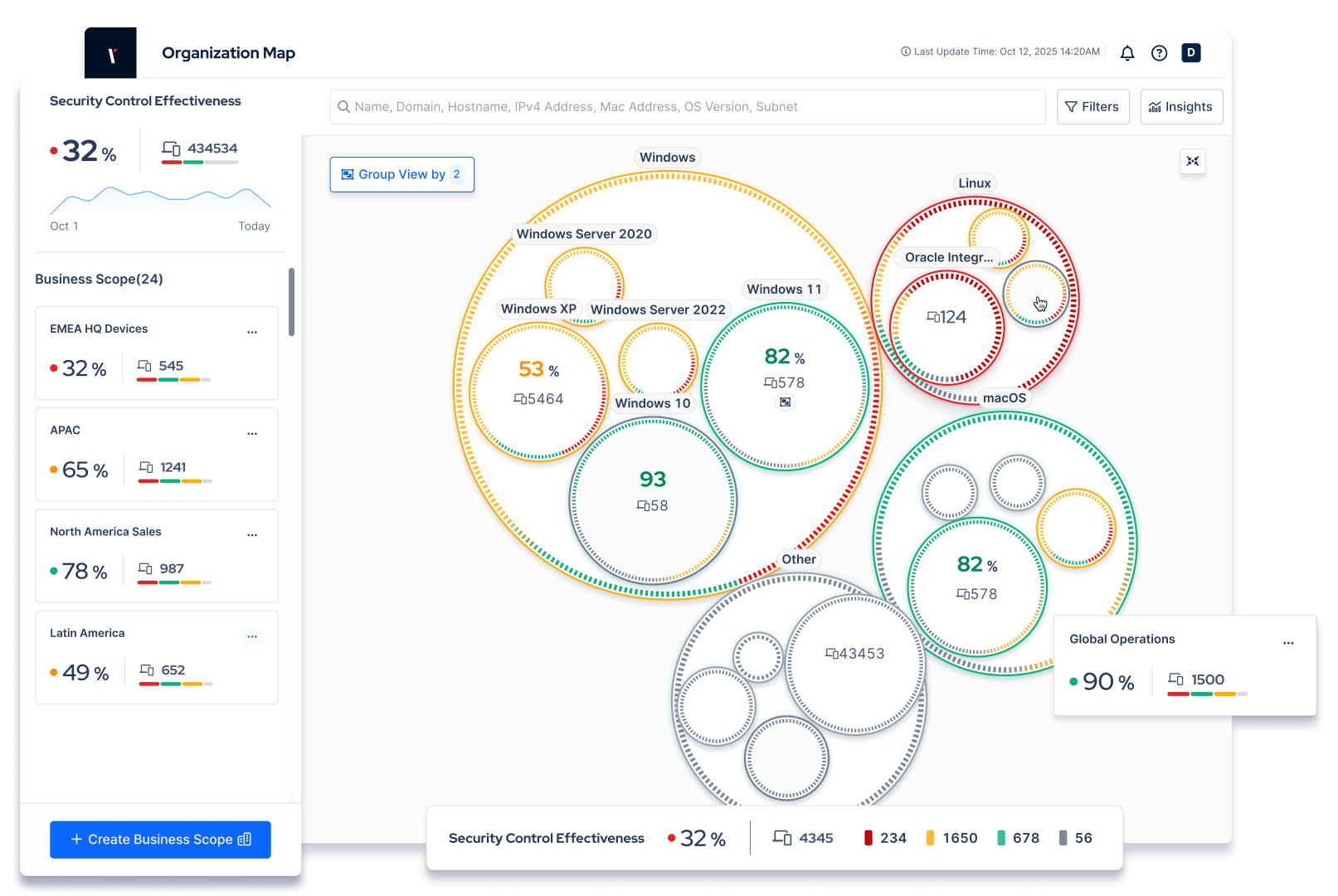
  • Track business risk by department, service, or region in real time.
  • Share transparent, evidence-based metrics with executives and stakeholders.

Maximize Impact with Actionable Insights

Identify security gaps, and address them swiftly and effectively.

  • Quickly access mitigation suggestions to address policy gaps and misconfigurations.
  • Use vendor-specific rules & signatures to optimize security controls.
  • Get intelligent insights driven by AI.
Picus Autonomous Penetration Testing: an attack path from a foothold to the objective, with findings Picus Exposure Validation results for assets that cannot be safely attacked Picus Breach and Attack Simulation prevention and detection results Product screenshot

VALIDATED ATTACK SURFACES

Integrated Validation Across Your Entire Attack Surface

A comprehensive suite of products that assess and validate exposures, controls, attack paths, and cloud environments; helping you operationalize CTEM across every layer of your security stack.

Integrations

Unlock Your Security Stack’s Full Power

Picus integrates with the controls you already run, so simulation results turn directly into tuning and remediation.

  • Identify what your NGFWs, WAFs, EDRs, SIEMs, and other security controls are missing.
  • Fine-tune controls using vendor-specific and agnostic mitigation guidance and detection rules.
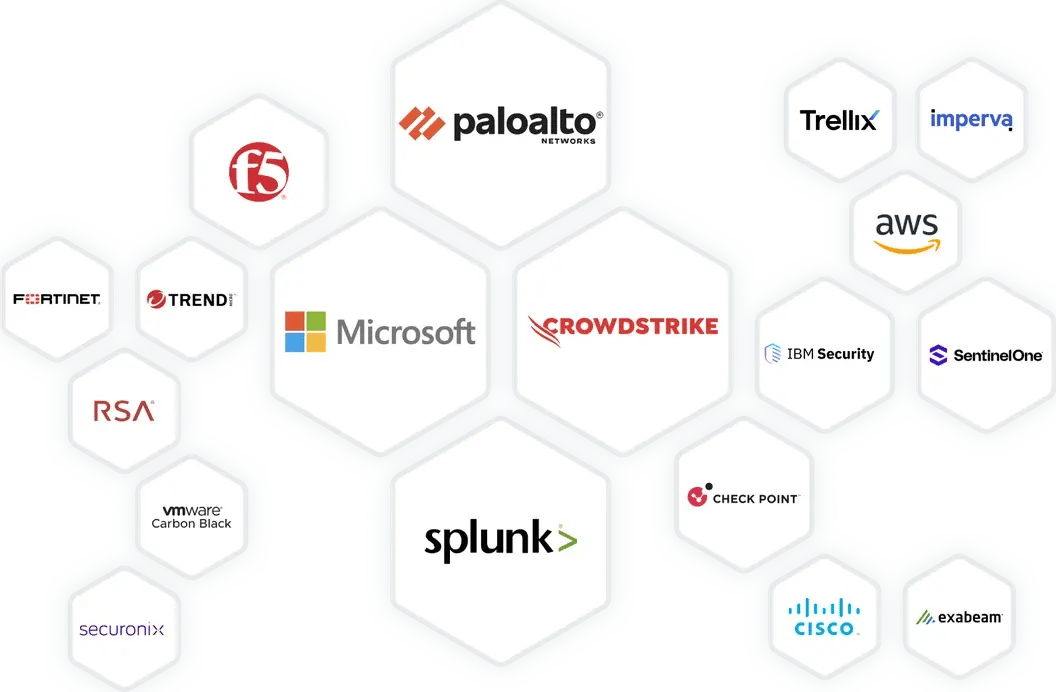
Picus integrations: Palo Alto Networks, F5, Fortinet, Trend Micro, Microsoft, CrowdStrike, RSA, VMware Carbon Black, Splunk, Securonix, Check Point, Trellix, Imperva, AWS, IBM Security, SentinelOne, Cisco and Exabeam

Proof

300M+ attack simulations. Last year alone.

Run safely in live production across more than 600 enterprises. Customers’ Choice on Gartner Peer Insights, number one in Breach and Attack Simulation on G2, Innovation Leader on the Frost Radar.

  • ~9 min

    intel to runnable simulation

  • Day one

    exploitability verdict, no exploit

  • 2x

    control effectiveness in 90 days

  • 89%

    faster remediation

  • 92%

    fewer SLA violations

  • 86%

    backlog reduction

  • 4.8 / 5 · 98% recommend

    “A game-changer in security validation. Intuitive platform, clear reporting, and actionable insights that measurably improved our posture.”

    Cyber Security Team Lead · Mid Market

Proof

Trusted by Security Teams, Recognized by the Industry

Resources

Discover Our Latest News and Content

  • OWASP LLM Top 10 (2026): What Every Security Team Should Know

    OWASP LLM Top 10 (2026): What Every Security Team Should Know

  • Imperial Kitten (Tortoiseshell) APT: TTPs, Malware, and Attack Simulation

    Imperial Kitten (Tortoiseshell) APT: TTPs, Malware, and Attack Simulation

  • A New Approach to Agentic Pentesting for a Stronger CTEM Program

    A New Approach to Agentic Pentesting for a Stronger CTEM Program

FAQ

Frequently Asked Questions

About Autonomous Exposure Validation Platform

Why is security validation important?

Security validation reduces cyber risk by verifying that an organization’s cyber security program is effective at defending its critical assets against the latest threats. 

Without consistent validation, security teams can never be confident that security controls and processes are working as expected.

How often should security validation be performed?

Due to the ever-changing threat landscape and IT infrastructure drift, security validation is a process that must be performed frequently.

Only by performing automated security validation can organizations obtain the insights they need to stay on top of their security posture and proactively identify and respond to risks sooner.

How regularly is the Picus platform’s threat library updated?

The Picus Security Validation Platform’s threat library is updated on a daily basis, ensuring security teams can simulate the latest threats. New emerging threats with actionable IOCs are added to the Picus Platform within 24 hours of disclosure.

How is the Picus platform licensed?

The Picus Security Validation Platform is licensed as a yearly subscription, which includes access to its entire threat library and unlimited simulations. The platform is comprised of five individually licensed products that can be licensed based on the validation use cases most relevant to an organization.

How is the Picus platform deployed?

The Picus platform is delivered as software-as-a-service (SaaS). In addition to the cloud-based deployment (available in multiple regions globally), it can also be deployed on-premises for organizations with strict regulatory requirements. For specific use cases, the Picus platform also supports fully air-gapped networks (environments w/o any connectivity to the outside world).

Is the Picus platform SOC 2 compliant?

Yes. To meet the highest data protection and operational security standards, the Picus Platform is SOC 2 Type 2 compliant.  Request a copy of our report here.

See How Picus Platform Works

  • See Picus Run on Your Environment

    In a live demo, watch Picus validate a real exposure end to end, from exploit to fix to re-test.

  • Discover the Platform

    Simulate real-world cyber threats in minutes and see a holistic view of your security effectiveness.